Physical Address
304 North Cardinal St.
Dorchester Center, MA 02124
Physical Address
304 North Cardinal St.
Dorchester Center, MA 02124

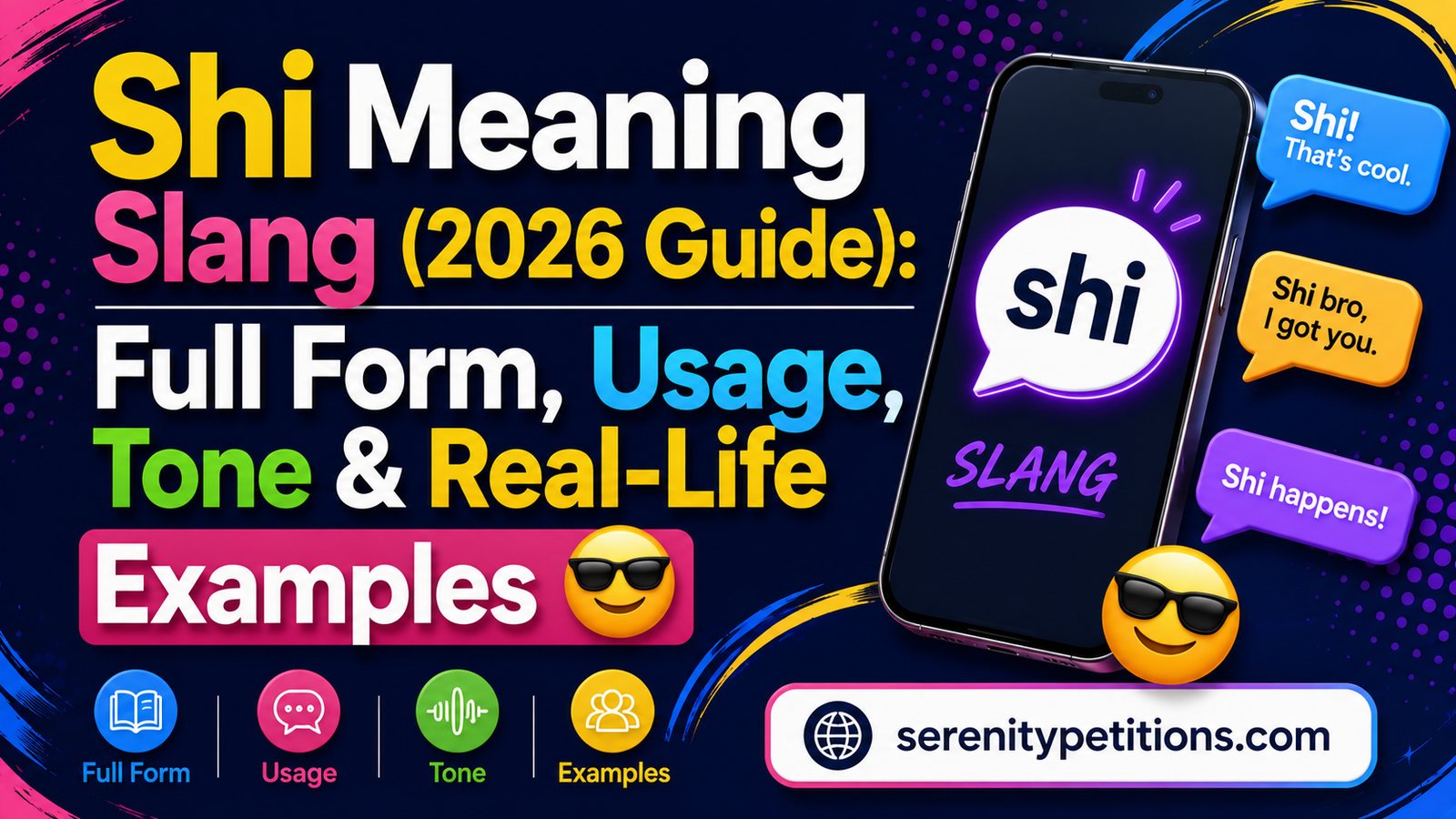
Shi Meaning Slang is a trending phrase in modern online conversations. Many people search Shi Meaning to understand “what does type shi mean” and how people use it in chats.
This guide explains Shi Meaning Slang with simple examples and clear meanings. It also connects with other popular searches like edge meaning slang, IMSG meaning, and white heart meaning. These terms show how digital language keeps changing.
You will also see how Shi Meaning Slang compares with other expressions and discover “what does rs mean in text” naturally. The article covers casual language, real-life examples, and modern communication tips. Shi Meaning Slang makes online conversations easier to understand today.
“Type shi” is a popular internet slang expression used in casual conversations, texting, and social media. It comes from the phrase “type shit” but has been shortened to create a smoother and more aesthetic texting style.
In most situations, Type Shi means agreement, relatability, or shared understanding. People use it when they want to say “I feel that,” “same vibe,” “exactly,” or “that’s real” without writing a long response.
The meaning of Type Shi depends on the conversation context and tone of language. It can show a relaxed mood, casual agreement, or emotional connection with someone’s words.
“Type shi” is a slang phrase that shows you relate to something someone said. It works like a quick reaction phrase in online conversations.
For example:
Person 1: “I’m just focusing on myself and avoiding drama.”
Person 2: “Type shi.”
Here, the phrase shows agreement and shared understanding. It tells the other person, “I understand your point” or “I can relate to that.”
In modern slang usage, Type Shi appears often in Gen Z slang, Gen Alpha slang, gaming conversations, and social media communication. It fits naturally into short-form language where people prefer quick but expressive replies.
People use it to express:
For example:
“I’m trying to stay lowkey, build myself, and stack money.”
“Type shi. 💯”
The response doesn’t just mean “yes.” It adds emotional nuance and shows that the person connects with the message.
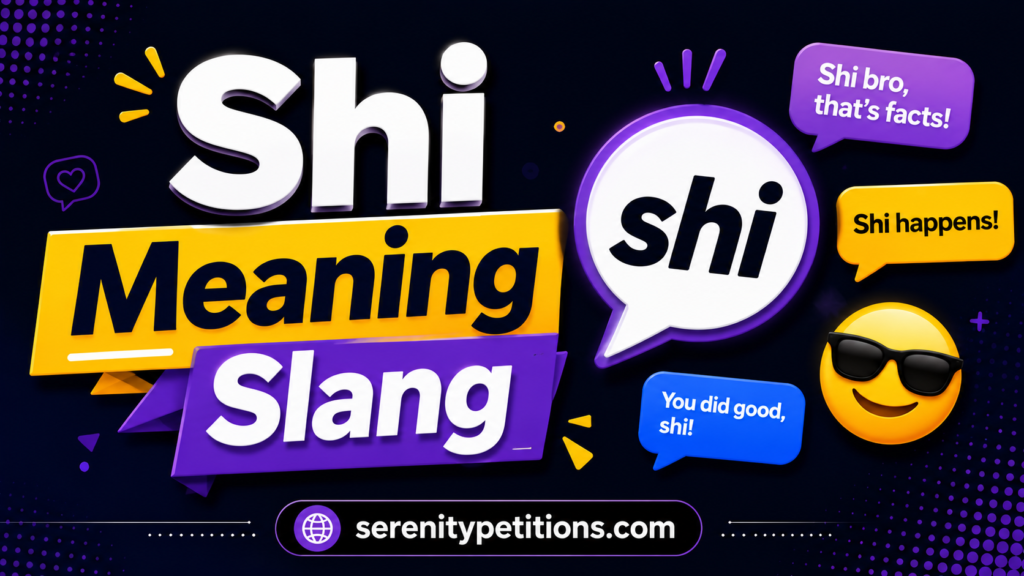
“Type shi” comes from the longer slang phrase “type shit.” Over time, online communities started shortening words to make conversations faster and more natural.
This change reflects how internet slang, texting culture, and digital communication continue to evolve. Similar to other trending slang terms, the shortened version became popular because it feels casual, simple, and easy to use.
Today, Type Shi represents modern communication where short expressions can carry strong emotions, shared viewpoints, and personal identity.
Understanding the tone of language is important when using Type Shi because its meaning can change depending on the situation. This slang expression is not only about agreement. It also carries emotional nuance that helps people show their feelings in quick online conversations.
One of the most common uses of Type Shi is showing casual agreement. It tells someone that their statement makes sense or matches your own thoughts.
Example:
Person 1: “I just want peace and a simple life.”
Person 2: “Type shi.”
Here, it means “I agree with you” or “same here.” It creates a feeling of shared understanding without needing a long reply.
People also use Type Shi when they connect with someone’s feelings or experiences. It works as a relatable phrase in everyday chats and social media conversations.
Example:
“I feel tired after dealing with everyone’s problems.”
“Type shi… I feel that.”
In this situation, the phrase shows emotional connection. It tells the other person that their experience feels familiar.
Type Shi can also act as a validation expression. Instead of giving a detailed response, someone uses it to show support and recognition.
Example:
“I’m working on myself and trying to improve every day.”
“Type shi. That’s real.”
The reply shows respect for personal growth and a positive mindset. It carries a supportive vibe while keeping the conversation relaxed.
Another reason Type Shi became popular is its chill confidence. It gives messages a calm and effortless feeling.
People often use it when talking about goals, lifestyle choices, or staying focused.
Example:
“I’m staying lowkey and focusing on my future.”
“Type shi.”
Here, it reflects confidence without sounding too serious. It matches the relaxed tone of modern slang and online vocabulary.
IKYFL is a popular internet slang expression used in texting, social media, and online conversations. The IKYFL meaning is “I Know You F*cking Lyin’” or sometimes “I Know You Freaking Lying” in a softer version.
People use IKYFL as a reaction slang when they feel shocked, surprised, or doubtful about something someone says. It often shows disbelief, playful confrontation, or an emotional reaction without needing a long explanation.
For example:
Person 1: “I spent $500 on a single shirt.”
Person 2: “IKYFL 💀”
Here, IKYFL doesn’t always mean anger. It usually expresses a strong surprise reaction like “No way that’s real” or “You can’t be serious.”
The tone depends on the situation. Among friends, it can sound funny and playful. In serious conversations, it may sound more direct or confrontational.
IKYFL = I Know You F*cking Lyin’
IKYFL can have different tones depending on the context:
Example:
“He said he finished the whole project in one hour.”
“IKYFL 😭”
In modern slang, IKYFL represents how digital communication uses short phrases to express big emotions quickly. Like other trending slang terms, its meaning changes with the audience, platform, and conversation style.
Type Shi and IKYFL are both popular internet slang expressions, but they express completely different emotions. While Type Shi shows agreement and connection, IKYFL shows surprise, disbelief, or a strong reaction.
The main difference comes down to tone of language and emotional purpose. Type Shi feels calm and relatable, while IKYFL feels more intense and reactive.
Example:
“I’m just focusing on myself and avoiding drama.”
“Type shi.”
Example:
“You bought a phone for $2,000?”
“IKYFL 💀”
| Slang | Main Meaning | Tone | Used For |
| Type Shi | Agreement and relatability | Calm, relaxed | Shared viewpoint and connection |
| IKYFL | Shock and disbelief | Strong, emotional | Reaction to surprising statements |
Both phrases are part of modern slang and digital communication. Understanding the difference helps you choose the right expression based on the audience, platform context, and emotional context.
Although Type Shi and IKYFL are common in online language and social media slang, they don’t fit every situation. Knowing different alternatives helps you adjust your communication style based on the audience and context.
Using the right phrase improves communication skills and shows language adaptability. Casual slang works well in texting culture and online conversations, while polite and professional alternatives are better for formal communication, workplace communication, and academic settings.
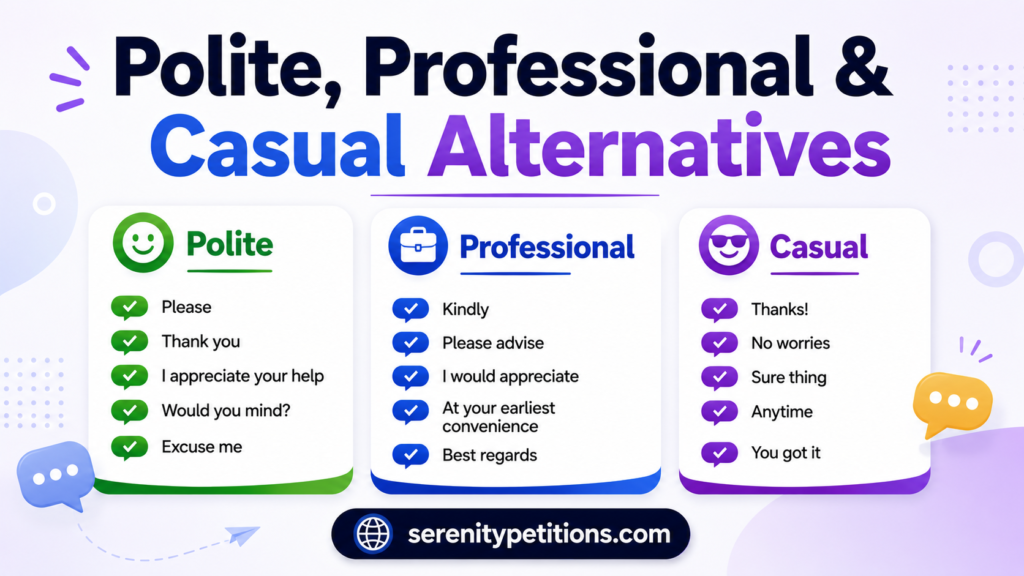
Choosing the right phrase depends on the situation, the person you’re talking to, and the message you want to express. Slang expressions like Type Shi can feel natural in casual chats, but other situations require a different tone.
Consider who you’re communicating with before choosing a phrase.
The platform also affects your language choice.
Your emotion decides which expression fits best.
Using the right phrase helps create authentic communication. Good slang usage isn’t about using trendy words everywhere. It’s about understanding tone differences and choosing language that matches the moment.
Here are some real-life examples showing how Type Shi and IKYFL work in everyday conversations, texting culture, and social media communication.
These examples show how Type Shi works as an agreement phrase while IKYFL works as a disbelief expression. Both are popular slang expressions that add emotion and personality to modern online conversations.
Shi Meaning Slang refers to a casual internet phrase used to show agreement, surprise, or a relatable feeling in conversations.
Type Shi comes from Type Shit but uses a shorter style. It feels smoother, casual, and common in online communication.
Shi Meaning Slang appears in social media, texting culture, gaming conversations, and casual chats among younger internet users.
Shi Meaning Slang is mainly for casual communication. Avoid using it in professional emails, academic settings, or workplace messages.
Type Shi usually shows agreement, shared understanding, or a similar vibe when someone relates to another person’s message.
Shi Meaning Slang expresses agreement, while IKYFL shows disbelief, shock, or a strong reaction to surprising information.
Shi Meaning Slang became popular because modern users prefer short expressions that quickly share emotions and online reactions.
Understanding Shi Meaning Slang helps you follow today’s fast-changing online language. This phrase shows how people use short expressions to share feelings, agreement, and reactions. Many users search what type shi means because it appears often in social media and chats.
This guide explained Shi Meaning Slang with simple examples and clear usage tips. Similar searches like edge meaning slang, IMSG meaning, and white heart meaning also show how internet slang keeps growing. Knowing these terms improves digital communication skills.
Whether someone asks what does rs mean in text or wants to understand Shi Meaning Slang, context always matters. Using the right words helps create natural conversations. Shi Meaning Slang reflects modern texting culture and evolving online language.