Physical Address
304 North Cardinal St.
Dorchester Center, MA 02124
Physical Address
304 North Cardinal St.
Dorchester Center, MA 02124

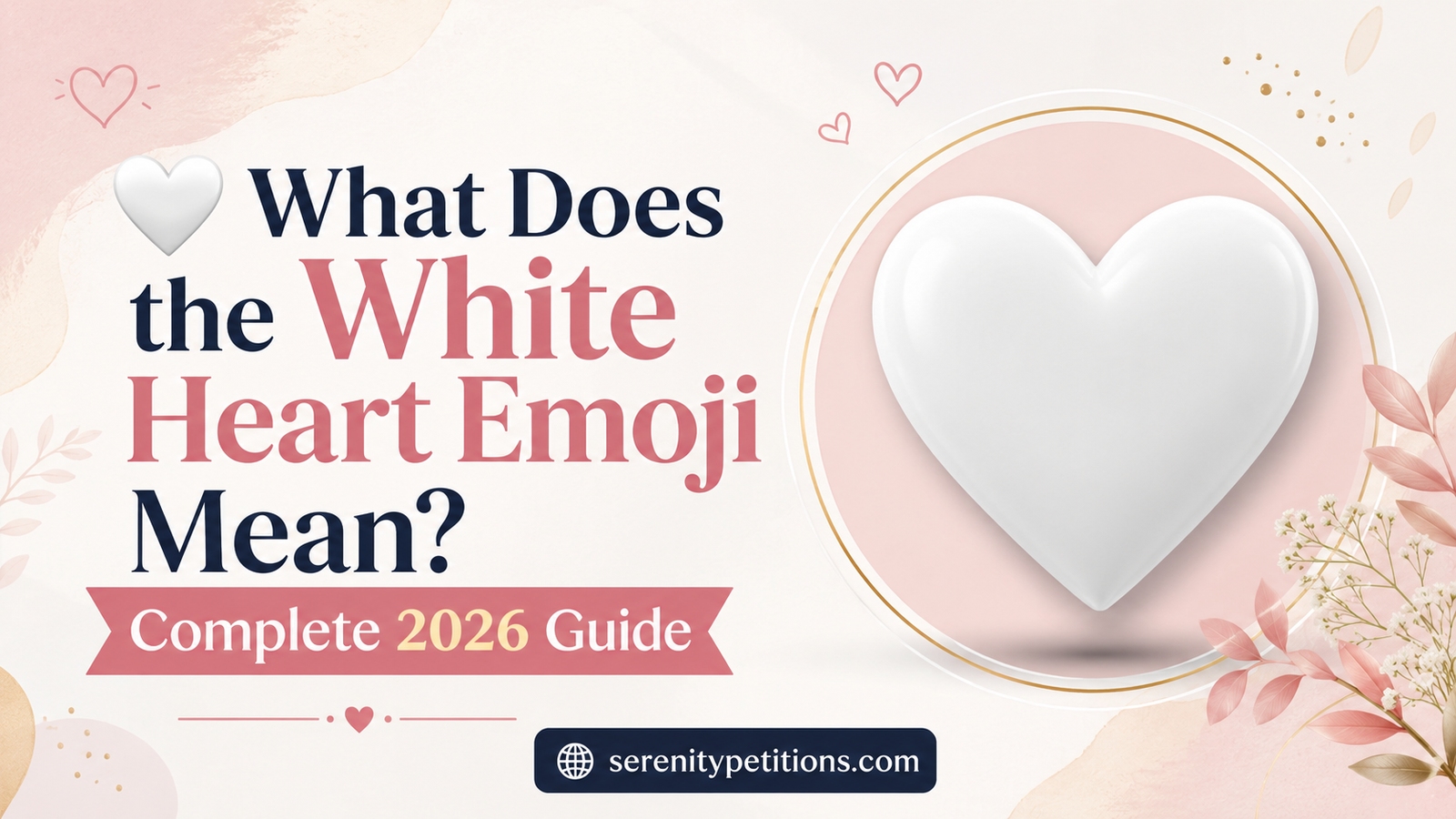
What Does the White Heart Emoji Mean? The answer is simple: 🤍 shows peace, kindness, and gentle emotions. Many people ask “What Does the White Heart Do” because they want to understand the white heart in chats and posts.
“What Does the White Heart Emoji Mean” can change based on the message and relationship. It may show friendship, support, or pure love. Online users also search edge meaning slang, IMSG meaning, what does rs mean in text, and what does type shi mean to learn modern internet language.
The “What Does the White Heart Emoji Mean” guide helps explain emoji symbolism in digital communication. This emoji creates emotional connection through simple visual language. Whether used on WhatsApp, Instagram, or TikTok, the white heart emoji meaning can add warmth and clarity. Understanding “What Does the White Heart Emoji Mean“
The 🤍 White Heart Emoji usually represents feelings like:
Unlike the ❤️ Red Heart Emoji, which often represents romance and passion, the white heart emoji carries a softer and more peaceful emotional tone.
In 2026, the White Heart Emoji 🤍 has become popular because people prefer expressing emotions in a calm and gentle way. Many users choose this emoji when they want to show care without making their message feel too intense.
Whether someone uses it in a friendship conversation, family chat, or social media caption, the meaning depends on the situation and emotional connection between people.
For example:
“I’m always here for you 🤍”
This shows emotional support and comfort.
“Thank you for everything 🤍”
This expresses gratitude and appreciation.
“Proud of you 🤍”
This sends encouragement and kindness.
Colors have a strong connection with human emotions. According to color psychology, the white color meaning is often linked with:
When the peaceful nature of white combines with the heart symbol, it creates an emoji that represents emotional sincerity and calm affection.
This is why people often use 🤍 in situations involving:
The white heart emoji usually does not represent dramatic romance. Instead, it shows gentle love, respectful affection, and a feeling of emotional safety.
When a boy uses the 🤍 White Heart Emoji, its meaning usually depends on the relationship, conversation, and emotional tone between both people.
Common meanings include:
Unlike ❤️, which can feel more romantic and intense, 🤍 often shows a softer side of communication. A boy may use it when he wants to express kindness or care without making the message feel too serious.
For example:
“Take care of yourself 🤍”
This can show concern and emotional support.
“I appreciate you 🤍”
This expresses gratitude and respect.
“Good luck for today 🤍”
This sends encouragement in a gentle way.
When a girl sends the 🤍 White Heart Emoji, it often represents kindness, emotional warmth, and a feeling of connection.
Common interpretations include:
Many girls use 🤍 because it feels gentle and peaceful. It can express feelings without creating too much pressure or making the conversation feel overly romantic.
For example:
“You’re the best 🤍”
This usually shows appreciation and affection.
“Miss you 🤍”
This may express emotional connection and closeness.
“Thank you for always supporting me 🤍”
This shows gratitude and trust.
On social media platforms like Instagram, TikTok, Snapchat, and WhatsApp, the white heart emoji often appears in captions and messages that focus on friendship, lifestyle, and emotional connection.
Heart emojis are more than just colorful symbols. Each heart emoji carries a different emotional meaning and can change the feeling of a message. In digital communication, people choose different heart colors to express specific emotions, relationships, and personal styles.
The 🤍 White Heart Emoji usually represents peace, kindness, purity, emotional support, and gentle affection. Other heart emojis may show stronger romance, friendship, humor, or different emotional tones.
Understanding these emoji differences helps you choose the right symbol for your message and avoid misunderstandings in online communication.
The ❤️ Red Heart Emoji is one of the most recognized heart symbols worldwide. It usually represents deep love, romance, passion, and strong emotional attachment.
People commonly use the red heart in:
Compared with 🤍, the red heart feels more intense and direct. While the white heart shows calm affection and peaceful love, the red heart often communicates powerful romantic feelings.
The 🖤 Black Heart Emoji has a more unique and flexible meaning. It can represent dark humor, sadness, emotional pain, mystery, or alternative aesthetics.
Many users choose the black heart for:
Unlike the soft and peaceful feeling of 🤍, the black heart often carries a deeper or more dramatic emotional tone.
The 💜 Purple Heart Emoji usually represents compassion, admiration, creativity, and care. It is often connected with supportive friendships and positive emotional connections.
People may use the purple heart to show:
The purple heart feels warmer and more expressive, while the white heart keeps a calmer and simpler emotional style.
The 💛 Yellow Heart Emoji represents happiness, friendship, positivity, and cheerful energy. It is commonly used between friends who want to share a bright and friendly message.
Common meanings include:
Compared with 🤍, the yellow heart feels more energetic and playful, while the white heart creates a peaceful and gentle mood.
The 🤎 Brown Heart Emoji represents warmth, comfort, reliability, and emotional stability. Many people use it in messages related to nature, family, and cozy feelings.
It is often connected with:
The brown heart gives a grounded feeling, while the 🤍 White Heart Emoji focuses more on purity, calm emotions, and emotional sincerity.
IKYFL is a popular internet slang abbreviation used in online communication, texting, and social media conversations. It stands for:
“You Know You F*ing Lying.”**
People usually use IKYFL to show disbelief, surprise, or a reaction when they think someone is not telling the truth. The phrase can sound funny, dramatic, or sarcastic depending on the situation.
In 2026, IKYFL has become a common part of Gen Z slang and casual internet language. Many users use it on platforms like TikTok, Instagram, Snapchat, and X (Twitter) when reacting to shocking stories, unbelievable comments, or funny situations.
For example:
“You said you finished the whole project in one hour? IKYFL.”
Meaning: The person doesn’t believe that claim.
“You paid $500 for that small item? IKYFL.”
Meaning: The speaker is surprised and thinks the situation sounds unrealistic.
Unlike formal language, IKYFL belongs to casual online expressions and meme culture. It works best with friends or in relaxed conversations. However, using it in professional communication or workplace chats may appear rude because of the strong wording.
IKYFL can be offensive depending on the situation, tone, and relationship between the people using it. Since the phrase includes profanity, some people may find it rude, aggressive, or disrespectful.
Among close friends, IKYFL is often used as a joke or a funny reaction. It can show disbelief, surprise, or playful teasing without serious intention.
For example:
“You really watched that entire series in one night? IKYFL 😂”
In this case, the phrase feels humorous and casual.
However, using IKYFL with strangers, coworkers, or in professional communication can create a negative impression. The strong language may make the message sound confrontational or disrespectful.
It is better to avoid IKYFL in:
Understanding emotional tone and context awareness is important when using internet slang. A phrase that feels funny in a group chat may not have the same effect in a serious conversation.
Although IKYFL is common in casual internet culture, it is not suitable for workplace communication or formal conversations. When you need to express surprise or disbelief professionally, choose words that sound respectful and clear.
Here are some professional alternatives to IKYFL:
This phrase expresses doubt in a polite way. It works well when you want to question information without sounding negative.
Example:
“That’s difficult to believe. Could you share more details?”
This is a simple and common phrase that shows surprise. It feels more respectful than using strong slang in professional settings.
Example:
“Are you serious? I didn’t expect that result.”
This option keeps a neutral emotional tone. It allows you to share your reaction while maintaining respectful communication.
Example:
“I’m surprised by that statement. Can we review the details together?”
This is one of the best choices for avoiding misunderstandings. It encourages clear communication instead of creating conflict.
Example:
“Can you clarify what you mean? I want to understand your point.”
This phrase sounds natural and professional. It shows surprise without creating a negative impression.
Example:
“I didn’t expect that outcome, but I appreciate the update.”
A short response like “Really?” can work in friendly professional conversations. It shows curiosity while keeping the emotional tone calm.
Example:
“Really? That’s an interesting development.”
Using professional alternatives helps improve communication skills and emotional intelligence. While internet slang like IKYFL, FR, NGL, and TBH can make casual conversations more expressive, formal situations require clearer and more respectful language.
In 2026, emojis have become one of the most important parts of digital communication. People no longer use emojis only for decoration. They use them to express emotions, add personality, and make messages easier to understand.
Modern text messaging is often short and fast. Because of this, emojis help fill the emotional gaps that appear in online conversations. A simple symbol like the 🤍 White Heart Emoji can show kindness, support, or appreciation without needing a long explanation.
Today’s users rely on emojis for:
Unlike traditional words, emojis work as a form of visual language. They help people communicate feelings that are sometimes difficult to explain through text alone.
Emojis are more than colorful symbols on a screen. They connect with how the human brain processes emotions, images, and social signals. In digital communication, people often use emojis to express feelings that words alone cannot fully capture.
Emoji psychology shows that visual symbols can influence how people understand a message. When someone sees a 🤍 White Heart Emoji, the brain may connect it with feelings like kindness, peace, emotional support, and trust.
Emojis help people communicate:
In face-to-face conversations, people use facial expressions, body language, and voice tone to show emotions. Online communication removes many of these natural signals. Emojis help replace some of those missing emotional cues.
For example:
“Thank you.”
This sounds simple and neutral.
“Thank you 🤍”
The emoji adds warmth, appreciation, and emotional sincerity.
This small difference can completely change the emotional tone of a message.
The 🤍 White Heart Emoji represents this emotional shift perfectly. It shows how a small digital symbol can create comfort, connection, and understanding in today’s online world.
In 2026, influencers use the 🤍 White Heart Emoji as more than just a simple symbol. It has become part of personal branding, emotional marketing, and modern social media communication.
Many creators use 🤍 to build a softer and more approachable online identity. The emoji helps influencers create a feeling of trust, kindness, and emotional connection with their audience.
Popular uses of 🤍 include:
For example:
“Grateful for this journey 🤍”
This creates a feeling of appreciation and connection.
“Protect your peace 🤍”
This matches wellness and self-care content.
“Thank you for supporting me 🤍”
This helps creators show gratitude toward their community.
The white heart emoji also fits perfectly with current aesthetic trends. Many influencers use it with soft photography, white outfits, beige tones, nature content, and calm visual themes to create a peaceful brand image.
On platforms like Instagram, TikTok, and Snapchat, emojis have become an important part of influencer content. They help creators communicate emotions quickly and make captions feel more personal.
The 🤍 emoji also supports the creator economy because audiences often connect with authentic communication. When influencers use emotional symbols naturally, they create stronger relationships with followers.
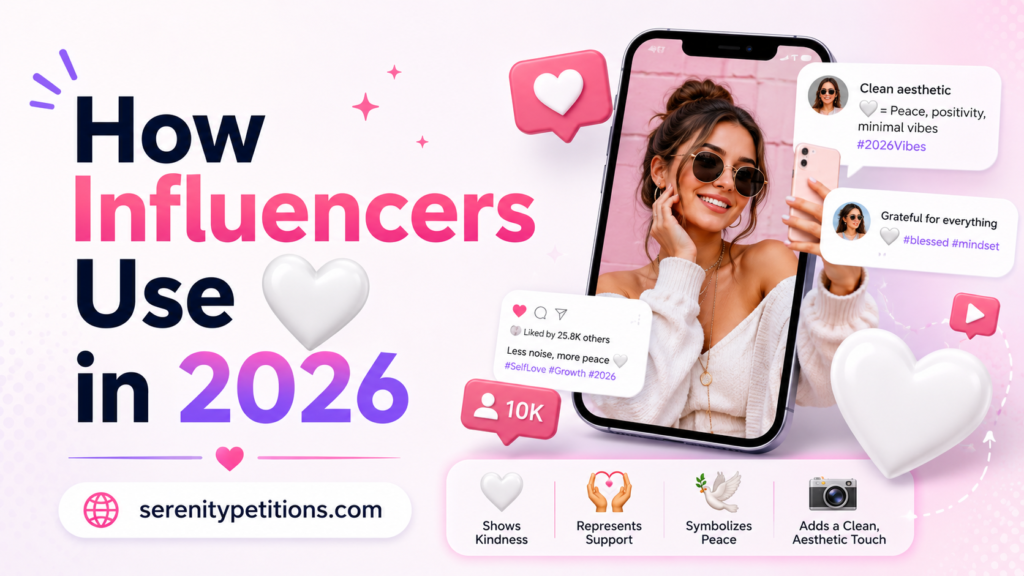
The 🤍 White Heart Emoji has become a popular symbol in modern aesthetic culture. Beyond emotions, it represents a visual style connected with simplicity, calmness, and clean design trends.
In 2026, many people use 🤍 to create a soft and peaceful feeling in their social media content. The emoji matches modern preferences for minimalism, soft aesthetics, and balanced visual themes.
The white heart is often connected with:
The connection comes from color psychology. The white color meaning is often associated with purity, honesty, peacefulness, and new beginnings. These qualities make 🤍 a perfect match for content that focuses on calm emotions and emotional clarity.
Creators often pair the white heart emoji with:
For example, a fashion creator may add 🤍 to a simple outfit caption to create a clean and elegant mood. A wellness creator may use it in a self-care post to represent peace and emotional balance.
Although the 🤍 White Heart Emoji usually represents positive emotions, people sometimes misunderstand its true meaning. Because emojis depend on context, the same symbol can create different interpretations in different conversations.
Some users think the white heart always has a romantic meaning, while others believe it feels cold or distant. However, the real meaning depends on the relationship, message, and emotional tone.
Understanding these common misunderstandings can help you use 🤍 more confidently in digital communication.
This is one of the most common mistakes.
Many people assume that the 🤍 White Heart Emoji always represents romantic love. While it can show gentle love or soft affection, it does not always indicate romantic feelings.
People also use it for:
For example, a friend may send “I’m proud of you 🤍” to show kindness and support, not romance.
Some people believe the white heart feels less emotional than other heart emojis. This is not true.
The 🤍 emoji often represents calm emotions, emotional safety, and peaceful affection. Many users choose it because they want to express care in a gentle and respectful way.
Unlike the intense feeling of ❤️, the white heart creates a softer emotional connection.
Another common misunderstanding is that the white heart emoji is mainly used by girls.
In reality, people of all genders use 🤍 in online communication. Boys, girls, influencers, brands, and communities use it to express kindness, loyalty, support, and appreciation.
Its meaning depends on personal style and context, not gender.
The popularity of 🤍 has increased because of social media trends, but its meaning goes beyond a temporary trend.
The white heart has become part of modern visual language. People use it to communicate emotions, create social media captions, and add warmth to messages.
From friendship posts to wellness content, the emoji continues to represent purity, peace, and emotional sincerity.
The 🤍 White Heart Emoji works best when you want to express gentle emotions, kindness, and emotional support. Unlike some heart emojis that feel more intense, 🤍 creates a calm and peaceful emotional tone.
People often use the white heart emoji when they want their message to feel warm, respectful, and sincere. It fits naturally in personal conversations, social media captions, and supportive messages.
The best situations to use 🤍 include:
For example:
“I’m always cheering for you 🤍”
This expresses encouragement and support.
“Thank you for being there for me 🤍”
This shows appreciation and emotional trust.
“Hope you have a beautiful day 🤍”
This creates a warm and positive feeling.
The white heart emoji also works well in social media captions. Many users add 🤍 to posts about self-care, friendship, lifestyle, and personal growth because it matches soft aesthetics and calm visual themes.
However, context matters in digital communication. Using 🤍 in an emotional message can create comfort, while adding it to a serious or formal conversation may not always feel appropriate.
Avoid using 🤍 in situations like:
The meaning of the 🤍 White Heart Emoji can change depending on age, online habits, and communication style. Different generations use emojis in unique ways because each group has grown up with different forms of digital communication.
From Gen Z to older generations, 🤍 has become a common symbol for kindness, support, and emotional expression.
Gen Z uses 🤍 frequently in social media conversations, captions, and short-form messaging. For this generation, the white heart often represents soft aesthetics, emotional safety, and authentic communication.
Gen Z users commonly add 🤍 to:
Many digital natives prefer 🤍 because it feels calm and less intense than traditional heart emojis. It matches modern texting language where emotional tone matters as much as the words themselves.
Millennials often use 🤍 in supportive friendships, family conversations, and meaningful online interactions. For this generation, the emoji usually represents appreciation, comfort, and emotional connection.
They may use it when sharing:
Millennials often focus on the emotional meaning behind emojis and use them to make digital communication feel more personal.
Gen Alpha is growing up in a world where emojis, social media, and visual language are already part of everyday life. For them, 🤍 is a natural way to show kindness and positive emotions.
This generation often connects the white heart with:
As Gen Alpha continues shaping internet culture, emoji meanings will keep evolving with new communication styles.
Older generations may use 🤍 in a simpler way. Many see it as a symbol of kindness, peace, and affection without focusing heavily on online trends.
They often use it in:
Although generational communication differences exist, the main purpose remains the same: expressing emotions in a simple and meaningful way.
Emoji communication continues to change as technology and online habits evolve. In the future, emojis will become even more connected with emotional expression, digital interaction, and personalized communication.
As people rely more on messaging apps and online platforms, emojis will help fill the emotional gaps that words sometimes cannot explain. Symbols like the 🤍 White Heart Emoji will continue to represent feelings such as kindness, support, peace, and emotional connection.
Future digital communication trends may include:
AI communication tools are already changing how people write messages. In the coming years, AI-driven suggestions may recommend emojis based on the emotional tone of a conversation.
For example, if someone writes a supportive message, technology may suggest symbols that match feelings like comfort, encouragement, or gratitude.
Context plays a major role in understanding digital language. The same emoji, phrase, or slang term can have completely different meanings depending on the situation, relationship, and emotional tone.
In online communication, people often rely on short messages, emojis, and internet expressions to share feelings. Because of this, understanding context helps prevent confusion and improves message interpretation.
For example, the 🤍 White Heart Emoji can represent:
The meaning changes based on who sends it and why they use it.
The same idea applies to internet slang. Words like IKYFL, FR, NGL, TBH, and IYKYK may sound confusing without knowing the conversation background. A phrase that feels funny between friends may seem rude in a professional setting.
Context depends on several factors:
For example:
“Thanks 🤍”
This usually feels warm and appreciative.
“Okay 🤍”
Depending on the conversation, it could sound caring or slightly passive-aggressive.
This is why emotional cues and tone understanding matter in digital communication. People need more than just the literal meaning of words or symbols. They also need emotional awareness to understand the intention behind a message.
People search for emoji meanings because digital communication has changed the way we express emotions. A simple symbol can carry different feelings, and many users want to understand the message behind it.
Emojis like the 🤍 White Heart Emoji are not just decorations. They are digital symbols that add emotional tone to conversations. However, their meaning can change depending on the person, situation, and platform.
People search emoji meanings because they want to:
For example, someone may search “What Does the White Heart Emoji Mean” after receiving 🤍 from a friend or someone they like. They want to know whether it shows friendship, emotional support, soft affection, or a romantic hint.
The growth of social media platforms like TikTok, Instagram, Snapchat, and WhatsApp has made emoji interpretation even more important. Online trends change quickly, and new meanings appear through youth culture, Gen Z slang, and modern texting language.
Emoji meaning searches also help people improve their digital literacy. Understanding visual language allows users to read emotional cues and communicate more effectively.
In 2026, brands use the 🤍 White Heart Emoji as a powerful tool for emotional marketing. It helps companies create a softer, more trustworthy image while connecting with audiences on a personal level.
The white heart emoji fits naturally with brands that focus on kindness, simplicity, wellness, and emotional connection. Instead of feeling like a direct advertisement, 🤍 helps messages appear warmer and more human.
Brands often use 🤍 in:
The emoji works well because it represents feelings like purity, honesty, calm emotions, and peaceful energy. These qualities help brands build stronger emotional relationships with customers.
For example:
“Your self-care journey starts here 🤍”
This creates a feeling of comfort and support.
“Thank you for being part of our community 🤍”
This encourages connection and appreciation.
Influencers and businesses also use the white heart emoji in social media captions to match modern visual trends. It pairs well with soft photography, neutral color palettes, clean design trends, and minimalist aesthetics.
The creator economy has also increased the use of emotional symbols in marketing. Brands understand that audiences respond better to authentic communication rather than overly promotional messages.
Digital etiquette has become more important than ever as online communication continues to grow. People now use emojis, slang, and short messages every day, making it necessary to understand how words and symbols affect others.
In 2026, good digital etiquette means communicating with respect, awareness, and emotional intelligence. A message may look simple on the screen, but its tone can be interpreted in different ways.
Modern digital etiquette includes:
For example, the 🤍 White Heart Emoji can create a warm and supportive feeling in a friendly conversation. However, using too many emojis in a formal workplace message may not feel appropriate.
The same rule applies to internet slang. Expressions like IKYFL, FR, NGL, and TBH may work well in casual chats but may not fit in professional communication or business emails.
Good online behavior requires context awareness. Before sending a message, think about:
Digital etiquette also helps create safer and more positive online spaces. Whether people communicate through social media platforms, workplace chats, or personal messages, respectful communication builds trust and better relationships.
Safe and positive communication online helps create healthier digital spaces where people feel respected and understood. As more conversations happen through social media, messaging apps, and online communities, the way people express emotions matters more than ever.
Digital communication can sometimes create misunderstandings because people cannot always see facial expressions or hear voice tone. Emojis like the 🤍 White Heart Emoji help add emotional clarity by showing kindness, support, and positive intention.
Positive online communication includes:
For example:
“I understand what you mean 🤍”
This message feels supportive and respectful.
“Thank you for sharing your thoughts 🤍”
This creates a friendly and welcoming tone.
The way people communicate online also affects their relationships and digital identity. Kind messages can build trust, encourage community engagement, and create stronger online connections.
Emotional intelligence plays an important role in safe communication. Before posting or replying, consider the emotional impact of your words. A message that feels funny to one person may hurt someone else.
Internet slang continues to evolve quickly in 2026. New expressions appear across social media platforms, gaming communities, and messaging apps as people look for faster ways to communicate.
Modern text slang helps users share reactions, emotions, and opinions in fewer words. From Gen Z slang to popular online expressions, these terms have become a major part of digital vocabulary and internet culture.
Some popular slang terms in 2026 include:
These abbreviations are commonly used in casual internet language, comments, captions, and short-form messaging. Platforms like TikTok, Instagram, Snapchat, and X (Twitter) help new slang spread quickly among online communities.
For example:
“That movie was amazing FR.”
Meaning: The person truly believes the movie was great.
“NGL, that outfit looks good.”
Meaning: The person is honestly complimenting something.
While slang makes conversations faster and more expressive, understanding context is important. A phrase that works in a friend group may not be suitable for workplace communication or formal conversations.
Internet slang changes quickly, and keeping up with new expressions can sometimes feel confusing. Every year, new words and abbreviations appear on platforms like TikTok, Instagram, Snapchat, and X (Twitter).
Understanding internet slang becomes easier when you pay attention to context, tone, and online culture. Slang is not only about the words themselves. It is also about how people use them in conversations.
Here are some simple ways to understand internet slang faster:
Always read the full conversation before deciding what a slang term means. The same word can have different meanings depending on the topic and situation.
For example, IKYFL can sound funny among friends but may feel inappropriate in a professional conversation.
Emojis, punctuation, and other emotional cues can change the meaning of a message. A phrase with 😂 or 🤍 may have a completely different feeling compared to the same words without any emoji.
Understanding emotional tone helps you interpret online expressions more accurately.
Different platforms create different communication styles. TikTok slang may not always match LinkedIn language, and gaming communities may use terms that are unfamiliar in everyday conversations.
Learning platform culture makes it easier to understand trending slang.
Internet language changes constantly. Following online communities, creators, and social media trends can help you recognize new expressions faster.
New slang often spreads through:
Knowing slang does not mean you need to use every trending phrase. Using too much slang can make messages feel unnatural.
In 2026, simple communication has become more valuable than ever. People receive thousands of messages every day, so they prefer content that feels clear, natural, and easy to understand.
Simple words often create stronger emotional connections because they remove confusion. Whether someone is sending a text message, writing a social media caption, or sharing an online post, clear communication helps the message reach the audience better.
People usually prefer communication that feels:
The popularity of the 🤍 White Heart Emoji shows why simplicity works so well. This small digital symbol communicates kindness, peace, and emotional support without needing a long explanation.
In modern digital communication, people often choose short messages with meaningful emojis instead of long paragraphs. A simple phrase like:
“I’m proud of you 🤍”
can express encouragement, appreciation, and emotional connection in just a few words.
Simple communication also improves emotional clarity. When messages are easy to understand, people are less likely to misinterpret the meaning or emotional tone behind them.
This idea applies to both personal and professional communication. Clear messages help with:
Modern communication trends show that people value authenticity over complicated language. From social media captions to business messages, simplicity helps ideas feel more genuine.
Emotional intelligence plays an important role in online messaging because digital conversations often lack facial expressions, body language, and voice tone. Without these natural signals, understanding emotions through text can become more challenging.
In digital communication, emotional intelligence means recognizing feelings, choosing respectful words, and understanding how a message may affect someone else.
Strong digital emotional intelligence includes:
For example:
“Okay.”
This message may sound neutral or even cold.
“Okay 🤍”
The white heart emoji can add warmth and make the message feel more supportive.
The 🤍 White Heart Emoji is often used by people who want to create emotional safety in conversations. It can show kindness, comfort, appreciation, and genuine care without making the message feel too intense.
Emotional intelligence also helps people understand that emojis and slang depend on context. A phrase like IKYFL may feel funny in a casual chat but may not fit a professional conversation.
People with strong communication skills understand the importance of:
In the future of digital interaction, emotional intelligence will continue shaping how people use emojis, slang, and visual language to express themselves online.
Emojis have changed the way people communicate, but they cannot completely replace words. Instead, emojis work alongside language to add emotion, tone, and meaning to messages.
In digital communication, words explain ideas while emojis help express feelings. A simple symbol can show happiness, support, humor, or affection that may be difficult to express through text alone.
For example:
Without emoji:
“Thanks.”
With emoji:
“Thanks 🤍”
The second message feels warmer and more personal. The 🤍 White Heart Emoji adds emotional expression and creates a feeling of appreciation and kindness.
Emojis help people communicate:
Emoji language has become a global part of modern communication. People from different countries, cultures, and age groups use emojis to express emotions, share reactions, and create connections online.
Unlike traditional words, emojis can cross many language barriers. A simple symbol like the 🤍 White Heart Emoji can communicate kindness, peace, support, and affection even when people speak different languages.
Emoji language helps people:
Social media platforms like TikTok, Instagram, Snapchat, WhatsApp, and X (Twitter) have played a major role in spreading emoji culture. Users now include emojis in captions, comments, messages, and online communities to show personality and emotion.
For Gen Z, Millennials, and Gen Alpha, emojis are a natural part of digital interaction. These generations often use emojis with internet slang, memes, and modern texting language to create unique online expressions.
The rise of emojis has also influenced:
For example, creators may use 🤍 in wellness posts, lifestyle content, or friendship captions because it creates a calm and positive emotional tone.
The 🤍 White Heart Emoji can express many emotions, but its true meaning depends on the person, situation, and overall conversation. A genuine use of 🤍 usually feels natural, consistent, and connected to the message.
When someone uses 🤍 sincerely, their messages often show:
A genuine white heart usually appears with thoughtful words rather than being added randomly. The emoji supports the message and matches the person’s emotional intention.
For example:
“I’m really proud of you 🤍”
This shows encouragement and care.
“Thank you for always being there 🤍”
This expresses gratitude and emotional connection.
“I hope everything gets better soon 🤍”
This shows comfort and support.
Some signs that someone uses 🤍 genuinely include:
When someone adds 🤍 while talking about feelings, struggles, achievements, or important moments, it often shows emotional sincerity.
A genuine emoji usually matches the message. Kind words combined with 🤍 often create a clear emotional tone.
If someone regularly uses 🤍 in supportive or caring situations, it may reflect their communication style and personality.
An emoji alone cannot prove someone’s feelings. Genuine emotional connection comes from actions, words, and how someone treats you over time.
Understanding context awareness is important when interpreting emojis. The same 🤍 can represent friendship, appreciation, romantic hints, or simple kindness depending on the relationship.
In modern digital communication, emojis act as emotional cues. When used sincerely, the 🤍 White Heart Emoji becomes a small symbol of kindness, trust, and meaningful connection.
Using the 🤍 White Heart Emoji in professional communication depends on the workplace culture, relationship, and type of message. While emojis are common in modern communication, they should be used carefully in formal situations.
In friendly workplace environments, 🤍 can add warmth and appreciation to messages. It may help create a positive emotional tone in team chats, internal communication, or casual professional conversations.
The white heart emoji can work well in:
For example:
“Great work on the presentation 🤍”
In a relaxed workplace, this message can feel encouraging and supportive.
However, 🤍 may not be suitable for every professional setting. In formal communication, such as business emails, official reports, or serious discussions, it is usually better to use clear words instead of emojis.
Avoid using 🤍 in:
Professional communication requires understanding your audience and choosing the right emotional tone. A message that feels friendly to one person may feel too casual to another.
The best approach is to consider the relationship, company culture, and purpose of the message. When used appropriately, the 🤍 White Heart Emoji can support respectful communication and create a more human connection.
Good workplace etiquette is not about avoiding emojis completely. It is about using them with awareness, balance, and professionalism.
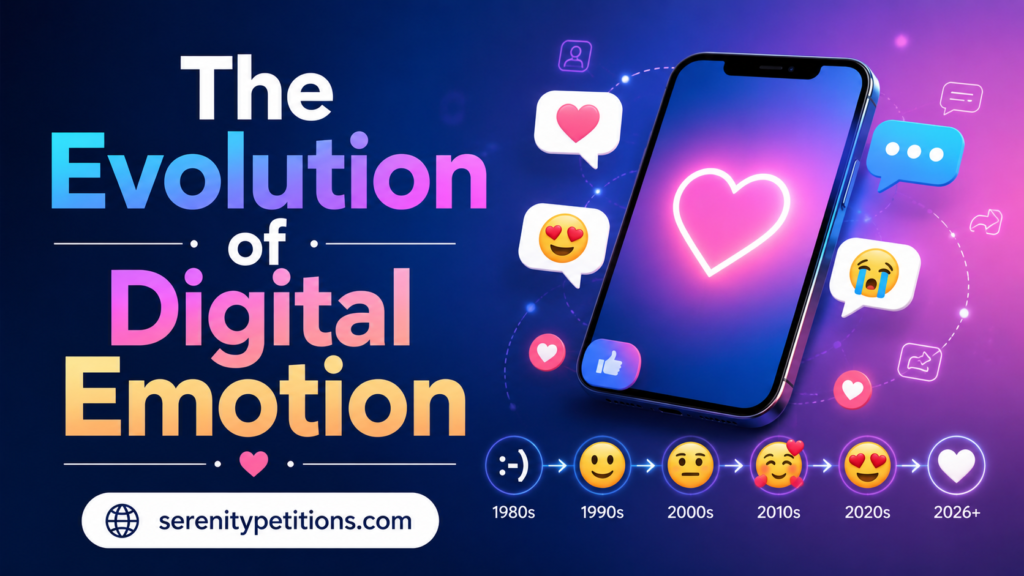
Technology has completely changed how people express emotions. In the past, communication depended mostly on face-to-face conversations, body language, and voice tone. Today, much of human interaction happens through screens.
As digital communication grew, people needed new ways to show feelings through text. Emojis became an important part of this evolution because they help express emotions that words alone may not fully communicate.
In the past:
Now:
Symbols like the 🤍 White Heart Emoji represent this shift. A small emoji can communicate kindness, emotional support, peaceful love, and genuine connection in just one moment.
The white heart emoji means kindness, peace, emotional support, and gentle affection. Its meaning depends on the message and relationship.
The white heart emoji can show romantic feelings, but it also represents friendship, care, appreciation, and peaceful emotional connection.
People use it on social platforms to express positivity, soft aesthetics, gratitude, support, and emotional warmth in their posts.
A white heart from a boy often shows respect, care, appreciation, or calm affection. Context helps reveal the true meaning.
A white heart from a girl usually expresses kindness, trust, friendship, support, or a gentle emotional connection.
Yes, the white heart emoji feels calmer and softer, while the red heart emoji often represents stronger romance and passion.
You can use the white heart emoji when showing support, gratitude, encouragement, comfort, or peaceful feelings in personal conversations.
The What Does the White Heart Emoji Mean question helps people understand modern digital emotions. The 🤍 emoji shows kindness, peace, support, and gentle love. The white heart meaning can change with context, but it often represents care and emotional connection.
Learning What Does the White Heart Emoji Mean also helps with online communication. Today, people search emoji meanings and slang terms to understand messages better. Terms like edge meaning slang, IMSG meaning, what does rs mean in text, and what does type shi mean are part of modern texting culture.
The What Does the White Heart Emoji Mean guide makes digital conversations easier. Emojis and slang keep changing, but understanding their meaning builds better connections. Use 🤍 naturally and communicate with confidence.